
Table of Contents
ToggleManoel Theatre: Malta’s Timeless Cultural Jewel
A Theatre Born from Vision
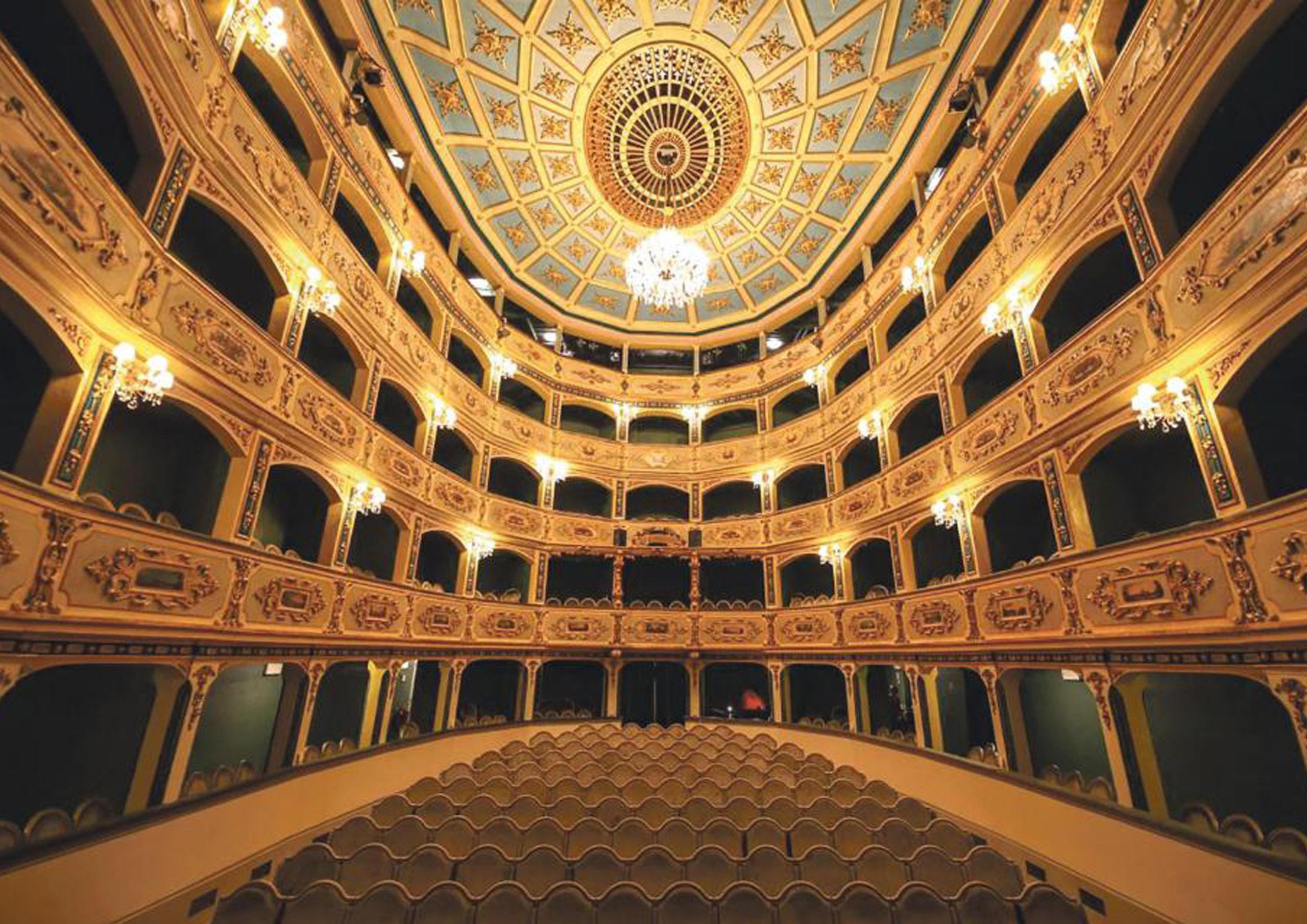
In the heart of Valletta, along the historic Old Theatre Street, stands one of Malta’s most treasured cultural landmarks: the Manoel Theatre. Revered for its beauty, history, and enduring presence, it is among the oldest continuously operating theatres in Europe and the oldest working theatre within the Commonwealth. Nearly three centuries after its inauguration, it remains a vibrant centre for the performing arts and a symbol of Malta’s rich cultural heritage.
The theatre was commissioned in 1731 by Grand Master António Manoel de Vilhena, one of the most influential rulers of the Order of St John. De Vilhena believed that Valletta deserved a dedicated public theatre and personally financed its construction. His goal was to provide what an inscription above the entrance describes as an “honest recreation of the people.” The project was completed remarkably quickly, and the theatre opened its doors in January 1732.
The Beginning of Malta’s Theatrical Tradition
Before the Manoel Theatre was built, theatrical performances in Malta were held in auberges, palaces, and temporary venues used by the Knights of St John. The opening of the Teatro Pubblico, as it was originally known, marked the birth of a permanent theatrical tradition on the island.
The theatre’s inaugural performance was La Merope, a tragedy written by Italian playwright Francesco Scipione Maffei. The event was attended by Grand Master de Vilhena himself and was quickly followed by a series of additional productions, establishing the venue as a lively centre of entertainment and culture.
A Masterpiece of Baroque Architecture
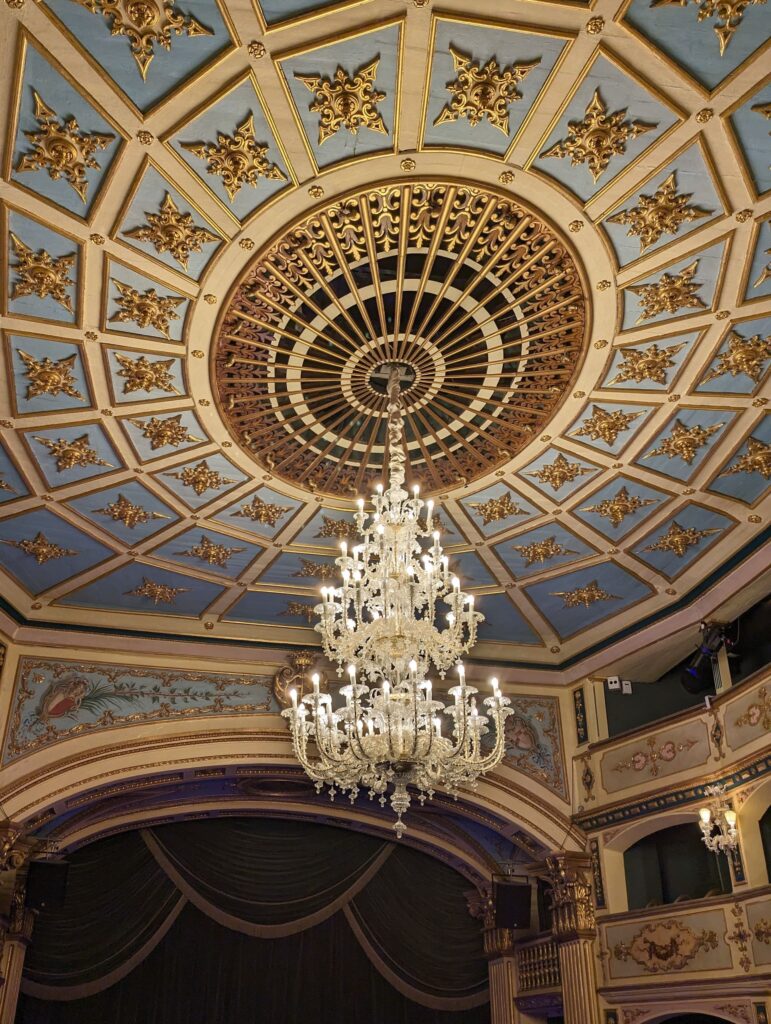
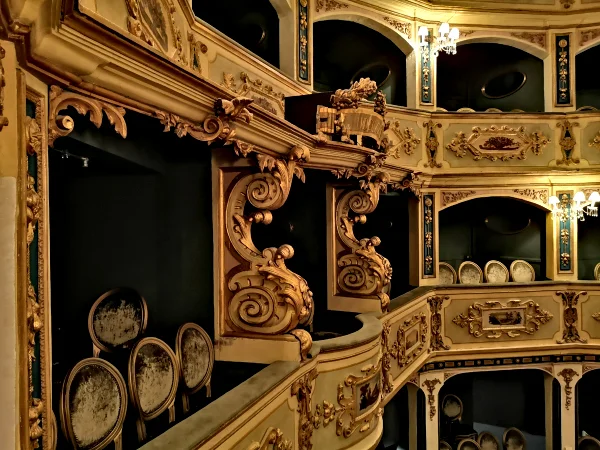
While the exterior of the Manoel Theatre is relatively understated, stepping inside reveals one of Malta’s most beautiful interiors. The auditorium is designed in the classic Italian style, featuring an elegant oval shape surrounded by tiers of wooden balconies adorned with gold leaf decorations. Above, a pale blue ceiling creates the illusion of a grand dome, adding to the theatre’s sense of splendour and intimacy.
The theatre’s design is admired not only for its visual beauty but also for its exceptional acoustics. Musicians, actors, and opera singers have long praised the venue for the quality of sound it provides, helping create memorable performances for generations of audiences.
Surviving Centuries of Change
Throughout its history, the Manoel Theatre has witnessed some of Malta’s most significant historical periods. During British rule, it was renamed the Teatro Reale before later becoming known as the Teatru Manoel. Despite changes in government, society, and artistic tastes, the theatre remained an important cultural institution.
The twentieth century brought significant challenges. As larger venues emerged, the Manoel Theatre’s importance temporarily declined. However, following the destruction of Malta’s Royal Opera House during World War II, the theatre once again became one of the country’s principal performance venues. Careful restoration projects ensured that its historic character was preserved while allowing it to continue functioning as a modern theatre.
The National Theatre of Malta
Today, the Manoel Theatre serves as Malta’s national theatre and hosts a diverse programme of cultural events throughout the year. Audiences can enjoy opera, drama, classical music, dance performances, educational events, and concerts by the Malta Philharmonic Orchestra. The theatre also offers guided tours, allowing visitors to explore its remarkable history and architecture firsthand.
Beyond entertainment, the Manoel Theatre plays a vital role in nurturing Malta’s artistic community. It provides a platform for local and international performers while helping preserve the island’s rich theatrical traditions for future generations.
A Living Legacy
Few buildings in Malta capture the spirit of the nation’s cultural history as powerfully as the Manoel Theatre. For nearly 300 years, it has welcomed audiences through its doors, surviving wars, political change, and shifting artistic trends. Today, it stands not as a museum of the past, but as a living institution where history and creativity continue to meet.
Whether admired for its stunning Baroque architecture, its remarkable longevity, or its continuing contribution to the arts, the Manoel Theatre remains one of Malta’s greatest cultural treasures and a lasting testament to the vision of Grand Master António Manoel de Vilhena.