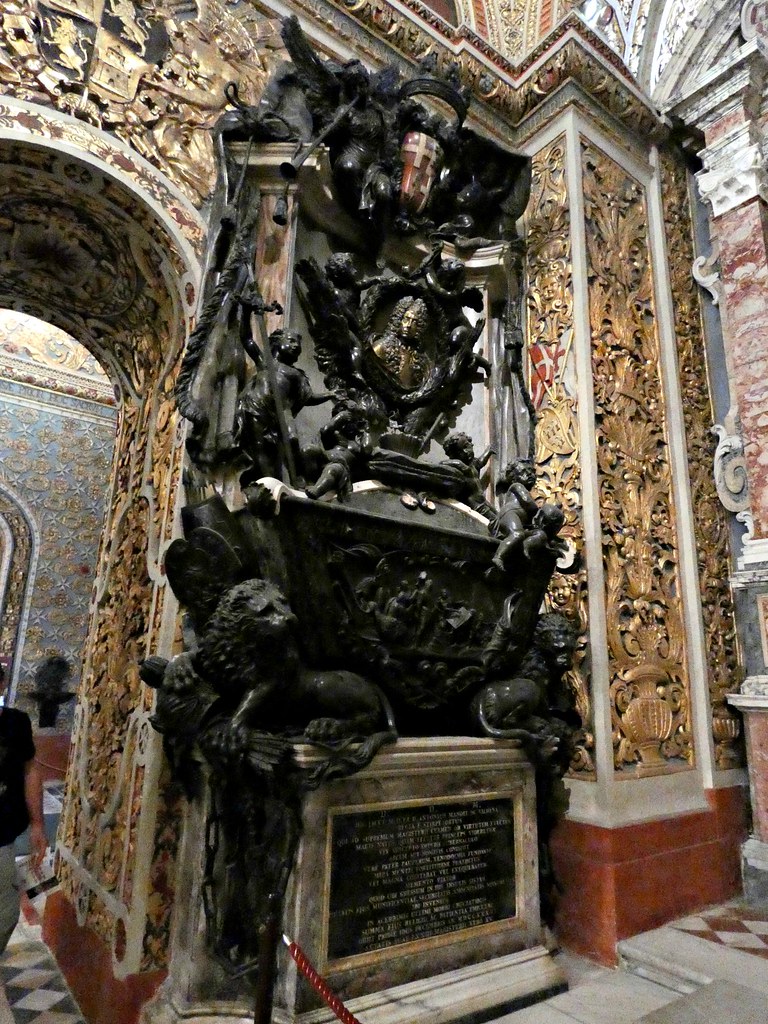
Grand Master António Manoel de Vilhena: The Visionary Who Shaped Modern Malta
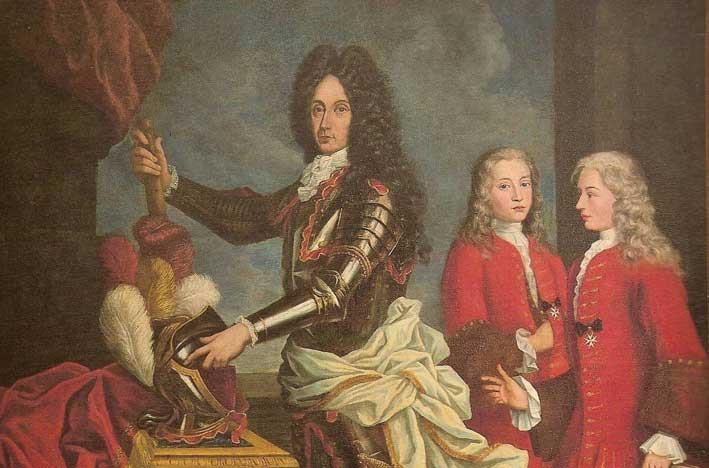
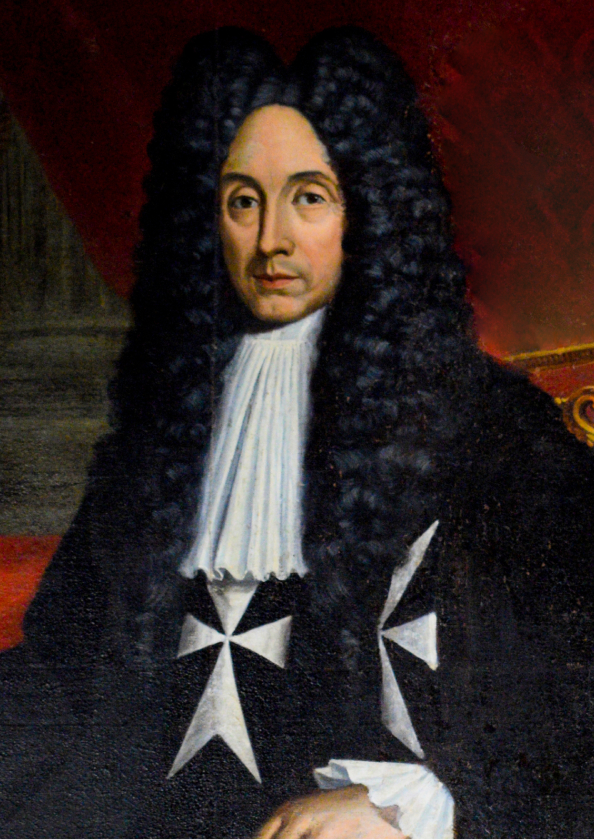
Few figures have left a mark on Malta as profound as Grand Master António Manoel de Vilhena. A Portuguese nobleman and the 66th Grand Master of the Order of St John, de Vilhena ruled Malta from 1722 until his death in 1736. Today, more than 290 years later, his legacy remains visible across the islands through some of Malta’s most iconic landmarks and urban developments.
Born in Lisbon in 1663 into an aristocratic family, António Manoel de Vilhena joined the Order of St John and steadily rose through its ranks. His leadership skills, administrative experience, and dedication to the Order eventually led to his election as Grand Master in June 1722. Unlike some of his predecessors, de Vilhena gained a reputation for being both benevolent and popular among the Maltese people, focusing not only on defence but also on improving everyday life.
One of his earliest and most important initiatives was the transformation of Mdina, Malta’s old capital. Shortly after taking office, he ordered the restoration of the city’s fortifications and the renovation of several public buildings. Working with French architect Charles François de Mondion, he helped reshape Mdina into the elegant Baroque city admired by visitors today. The famous Mdina Gate, Palazzo Vilhena, Torre dello Standardo, and several other landmark buildings date from his reign.
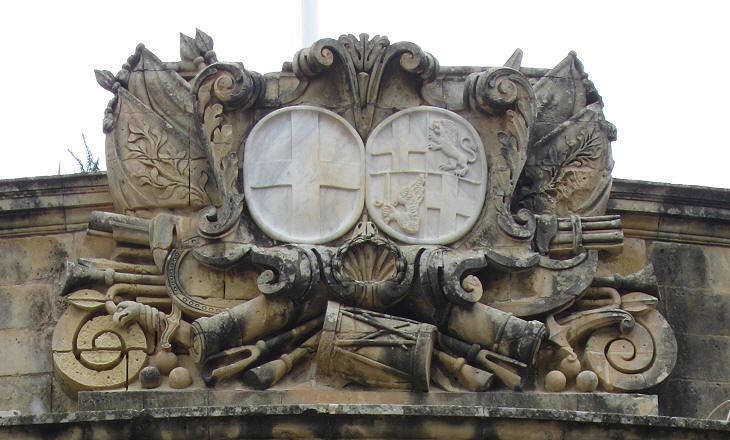
Perhaps de Vilhena’s most enduring contribution was the construction of Fort Manoel. Recognising the strategic importance of the small island in Marsamxett Harbour, he financed the building of a sophisticated star-shaped fortress between 1723 and 1733. The fort strengthened Malta’s harbour defences and became a masterpiece of military architecture. In recognition of his patronage, both the fort and the island were named after him, giving us today’s Manoel Island.
His vision extended beyond military projects. To address overcrowding in Valletta, de Vilhena promoted the development of Floriana, which grew into an important suburb of the capital. He also reorganised healthcare services, improved charitable institutions, and established facilities for vulnerable members of society. These reforms reflected his belief that effective leadership should benefit the wider population.
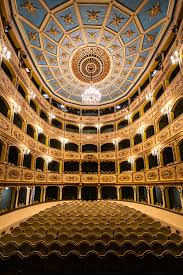
A passionate supporter of culture and the arts, de Vilhena commissioned the construction of the Manoel Theatre in Valletta. Opened in 1732, it remains one of Europe’s oldest working theatres and continues to host performances to this day. The theatre stands as a lasting symbol of his commitment to enriching Malta’s cultural life as well as its physical infrastructure.
When António Manoel de Vilhena died in 1736, he left behind far more than monuments and fortifications. He left a vision of progress that transformed Malta’s urban landscape, strengthened its defences, and enriched its cultural heritage. Whether walking through Floriana, admiring Mdina’s Baroque architecture, visiting Fort Manoel, or attending a performance at the Manoel Theatre, visitors continue to experience the legacy of one of Malta’s greatest Grand Masters.
Blue
AI Agent
Hello! I’m Blue from Bluewaves Watersports. Ask me anything about boat hire, jet skis or trips around Comino.