
Table of Contents
ToggleStay Safe Around Malta and Gozo’s Cliffs, Reefs, and Rocky Coastlines
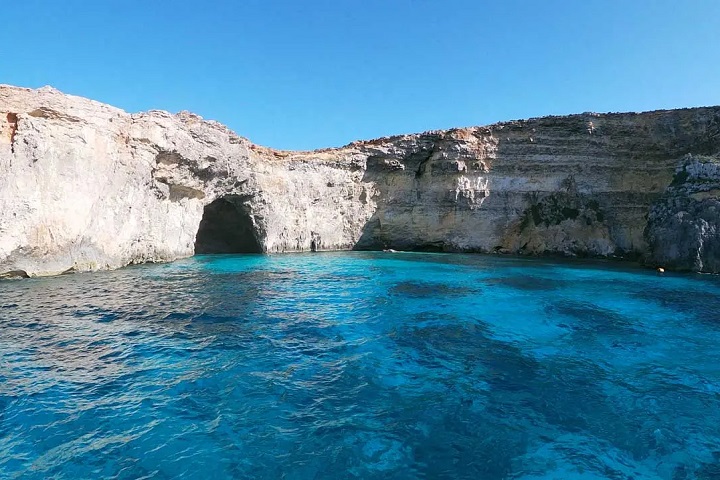
Malta and Gozo are renowned for their stunning coastal scenery, dramatic cliffs, crystal-clear waters, and rugged shorelines. From the towering Ta’ Ċenċ Cliffs in Gozo to the breathtaking coastal viewpoints around Malta, these natural wonders attract thousands of tourists, boaters, anglers, and mariners every year. While these locations offer unforgettable experiences, they also present significant safety risks that should never be underestimated.
Understanding the dangers associated with cliffs, reefs, rocks, and coastal navigation can help prevent serious accidents and ensure that everyone enjoys Malta and Gozo safely and responsibly.

Why Malta and Gozo’s Rocky Coastlines Require Extra Caution
The Maltese Islands are constantly shaped by wind, waves, and natural erosion. This ongoing process creates stunning landscapes but can also weaken cliffs and rocky shorelines over time. Areas that appear solid and stable may actually be affected by hidden fractures, loose rocks, or undercut sections of land.
Whether you are sightseeing, hiking, boating, or driving near the coast, maintaining a safe distance from dangerous areas should always be your top priority.
The Hidden Dangers of Coastal Cliffs in Malta and Gozo
Cliff-top viewpoints are among the most popular attractions in Malta and Gozo. However, getting too close to the edge can have devastating consequences.
Never Stand Near the Edge of a Cliff
Many visitors move dangerously close to cliff edges to take photographs or enjoy panoramic views. This practice should always be avoided. The edge of a cliff may not be as stable as it appears, and sudden collapses can occur without warning.
No photograph or social media post is worth risking your life. Always admire the scenery from a safe distance.

Watch for Visible Cracks and Unstable Ground
Visible cracks in the ground are often a warning sign that the rock beneath may be unstable. These cracks can indicate erosion, movement, or structural weakness within the cliff.
If you notice fissures, uneven surfaces, or gaps in the ground, immediately move away from the area and choose a safer location. Never walk, sit, or stand on land beyond visible cracks.
How Cliff Erosion Creates Unexpected Risks
Wind, rain, and sea action continuously erode Malta and Gozo’s coastlines. In some cases, rock formations create hidden overhangs where the surface extends beyond the solid cliff face. These sections can collapse unexpectedly under weight, putting visitors at serious risk.
Essential Cliff Safety Tips for Tourists and Sightseers
Keep a Safe Distance from Cliff Edges
Always remain several metres away from any cliff edge, even if barriers or warning signs are not present. Natural hazards do not always have obvious warnings.
Safe Photography Practices at Coastal Viewpoints
When taking photographs, ensure that you are standing on stable ground well away from dangerous drop-offs. Avoid walking backwards while taking pictures and remain aware of your surroundings at all times.
Protecting Children and Families Near Cliffs
Children should be closely supervised in all cliff-top areas. Families should establish clear safety boundaries and ensure children do not run, climb, or play near exposed edges.
Safe Boating Near Malta and Gozo’s Rocky Shores
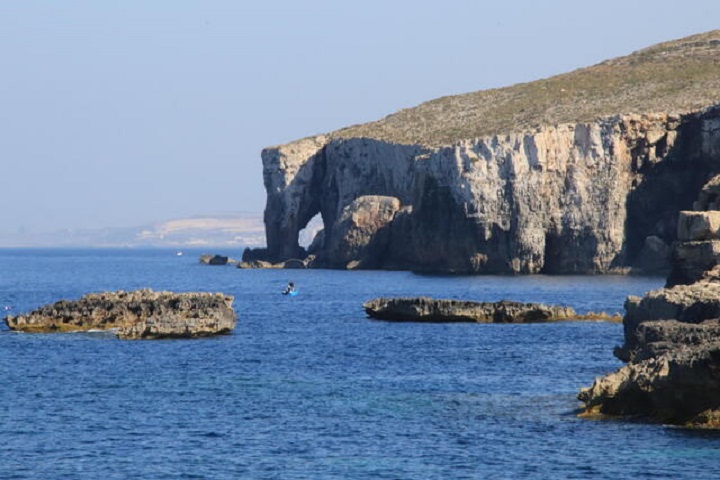
The waters around Malta and Gozo are popular with recreational boaters, yacht owners, fishermen, divers, and day-trippers. However, rocky coastlines and submerged hazards require constant vigilance.
Understanding the Risks of Reefs and Submerged Rocks
Not all reefs and rocks are visible above the waterline. Many hazards lie just beneath the surface and can cause severe damage to boats and personal watercraft.
Careful navigation, updated charts, and continuous observation are essential when operating any vessel near the coastline.
Why Keeping Distance from Cliffs Matters at Sea
Some boaters are tempted to approach cliffs and caves closely for sightseeing purposes. However, changing sea conditions, swell, and unexpected gusts of wind can quickly push vessels toward danger.
Maintaining a generous distance from cliff faces provides valuable reaction time and reduces the risk of collisions or groundings.
How Changing Weather Can Affect Coastal Navigation
Weather conditions can change rapidly around the Maltese Islands. Calm seas in the morning may become rough later in the day, increasing the risk of being pushed toward reefs, rocks, or cliffs.
Always monitor weather forecasts and be prepared to move to a safer location if conditions deteriorate.
Safe Anchoring Practices for Mariners
Anchoring safely is one of the most important responsibilities of any skipper.
Always Anchor Well Away from Dangerous Areas
Anchors should never be dropped too close to cliffs, reefs, rocky shorelines, or shallow areas. A vessel that drifts due to wind, currents, or anchor drag can quickly find itself in a dangerous situation.
Allow for Wind Changes and Vessel Swinging Room
Always consider how your boat will move around the anchor. Ensure there is sufficient space for the vessel to swing safely without approaching nearby hazards.
Avoid Anchoring Near Cliffs, Reefs, and Rocky Outcrops
The safest anchorage is one that provides ample clearance from all dangers, even if conditions change unexpectedly. Giving yourself extra space can prevent costly damage and potential emergencies.
Navigating Safely Around Reefs and Rocky Coastlines
Reduce Speed in Hazardous Coastal Waters
When navigating near reefs, rocks, caves, or shallow areas, reduce speed significantly. Slower speeds provide more time to identify hazards and react appropriately.

Stay Alert for Hidden Underwater Obstacles
Clear water can sometimes make obstacles easier to spot, but submerged rocks may still remain difficult to identify. Always maintain a proper lookout and avoid unnecessary risks.
Jet Ski, Kayak, and Small Craft Safety Tips
Operators of jet skis, kayaks, paddleboards, and small boats should exercise extreme caution near rocky coastlines. Sudden waves and currents can rapidly move smaller craft toward dangerous areas.
Why You Should Never Drive Close to Cliff Edges
Vehicles should always remain well away from cliff edges and unstable ground. Coastal erosion can weaken the terrain beneath the surface, creating a serious risk of collapse.
Drive Extremely Slowly on Coastal Roads and Tracks
When driving near rocky shorelines, reefs, slipways, or coastal access roads, proceed at a very slow speed. Slow driving provides greater control and allows drivers to identify hazards before they become dangerous.
Avoid Unstable Ground Near Rocky Shorelines
Loose gravel, uneven surfaces, and hidden cracks can make coastal tracks particularly hazardous. Always choose stable ground and avoid taking unnecessary risks.
Weather Awareness: A Key Part of Coastal Safety
Strong Winds Can Increase Risks on Land and at Sea
Strong winds can affect both pedestrians near cliffs and vessels at sea. Gusts can reduce stability and increase the likelihood of accidents.
Check Conditions Before Setting Out
Whether hiking, boating, fishing, or driving, always check weather forecasts and local conditions before beginning your journey.
Enjoy Malta and Gozo’s Natural Beauty from a Safe Distance
Respect Nature, Stay Vigilant, Stay Safe
Malta and Gozo offer some of the most spectacular coastal scenery in Europe. By respecting cliff-top dangers, watching for visible cracks, maintaining safe distances from reefs and rocks, anchoring well away from hazards, and driving carefully in coastal areas, visitors and mariners can enjoy these remarkable locations safely.