Table of Contents
ToggleMaltese Limestone: The Timeless Soul of the Island
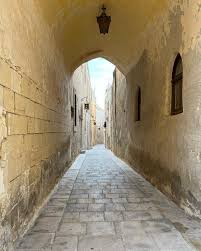
When you walk through Malta’s sunlit streets, admire its historic buildings, or stand before its ancient temples, you are witnessing the beauty of a material that has shaped the island for millennia—local limestone. Warm, golden, and remarkably versatile, Maltese limestone is more than just a building material; it is the very essence of Malta’s identity, history, and architectural charm.
From prehistoric monuments to elegant Baroque cities, limestone tells the story of Malta like no other element can.
The Stone That Built a Nation
Malta is almost entirely composed of limestone, making it the most abundant natural resource on the islands. For centuries, it has been quarried and used in construction, forming the backbone of everything from humble farmhouses to grand cathedrals.
This local stone has shaped Malta’s architectural landscape in a way that is both practical and beautiful. Its accessibility made it the natural choice for builders throughout history, while its warm tones give Maltese towns and cities their distinctive golden glow—especially under the Mediterranean sun.
Simply put, without limestone, Malta would not look—or feel—the same.
A Material with Ancient Origins
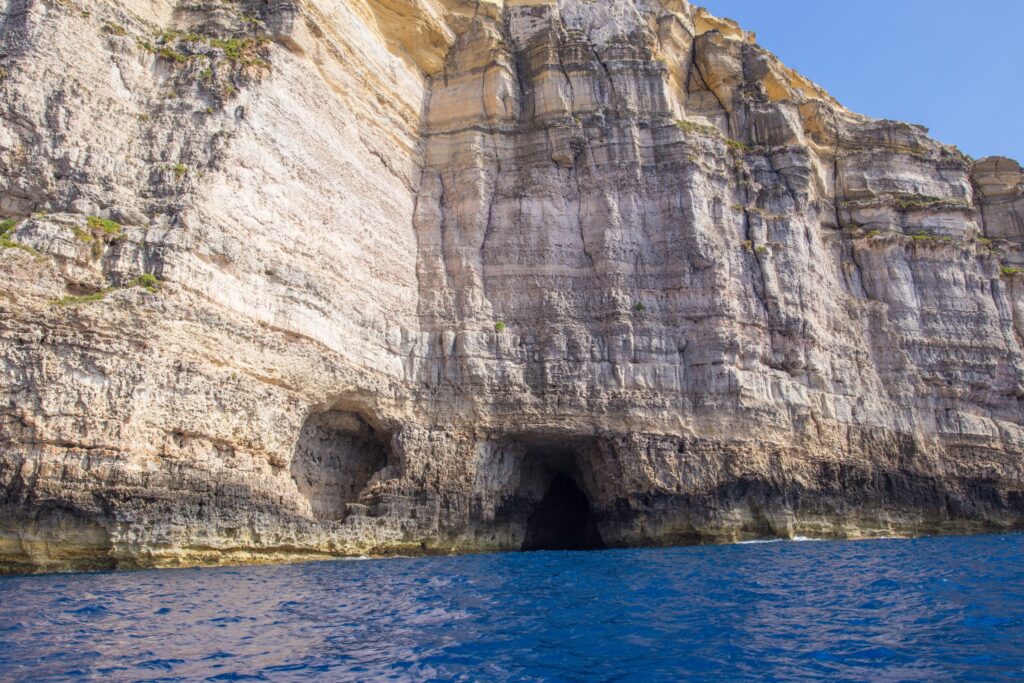
Maltese limestone dates back millions of years, formed from marine deposits when the islands were submerged beneath ancient seas. Over time, layers of sediment compressed and hardened into the stone we see today.
This geological origin gives limestone its unique texture and composition, often containing fossilised remains of marine life. These subtle details add character to the stone, making each block a small piece of natural history.
The durability and workability of limestone made it the perfect material for early builders, including those who constructed Malta’s prehistoric temples, some of the oldest freestanding structures in the world.
The Beauty of Maltese Architecture
One of the most striking features of Maltese limestone is its visual appeal. Freshly cut stone appears soft and pale, but over time it develops a rich, honey-coloured patina that enhances the beauty of buildings across the islands.
This natural ageing process contributes to the timeless charm of Malta’s architecture, blending historic structures seamlessly with their surroundings. Whether it’s:
- The grand streets of Valletta
- Traditional townhouses with carved balconies
- Quiet rural chapels and farmhouses
Limestone provides a sense of unity and harmony that defines the Maltese aesthetic.
Easy to Shape, Built to Last
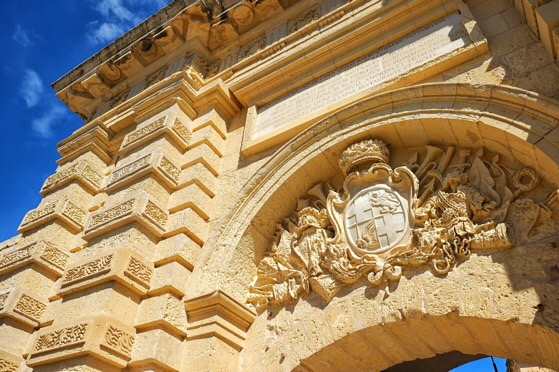
Limestone is known for being relatively soft when freshly quarried, making it easy for craftsmen to shape and carve. This has allowed Maltese artisans to create intricate architectural details, including:
- Ornate cornices and decorative facades
- Sculpted window frames and doorways
- Religious statues and stone carvings
Once exposed to air, the stone gradually hardens, becoming stronger and more durable over time. This unique property makes it both practical and long-lasting, ideal for withstanding Malta’s climate.
Many limestone buildings have stood for hundreds of years, proving the resilience of this remarkable material.
A Sustainable Local Resource
In today’s world, sustainability is more important than ever—and Maltese limestone plays a positive role in eco-conscious construction. As a locally sourced material, it reduces the need for imported resources, lowering transportation emissions and supporting local industries.
Its natural composition also makes it environmentally friendly, as it requires minimal processing compared to synthetic building materials. Additionally, limestone buildings are naturally insulating, helping regulate indoor temperatures and reduce energy consumption.
This combination of tradition and sustainability makes limestone as relevant today as it was in the past.
The Craft of Quarrying and Masonry
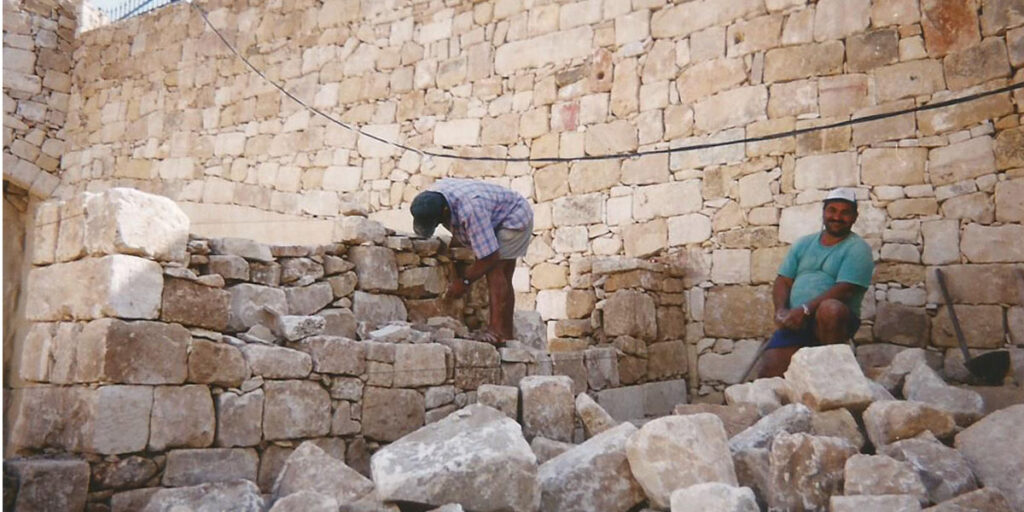
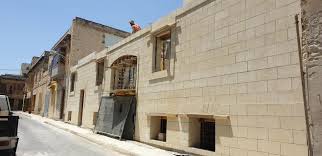
Behind every limestone block is a tradition of skilled craftsmanship that has been passed down through generations. Quarrying, cutting, and shaping limestone is a specialised trade that remains an important part of Malta’s cultural heritage.
Local masons possess a deep understanding of the stone, knowing how to work with its natural qualities to create structures that are both functional and beautiful.
Their work can be seen not only in historic buildings but also in modern architecture, where limestone continues to be used in innovative ways while preserving traditional techniques.
Limestone in Modern Malta
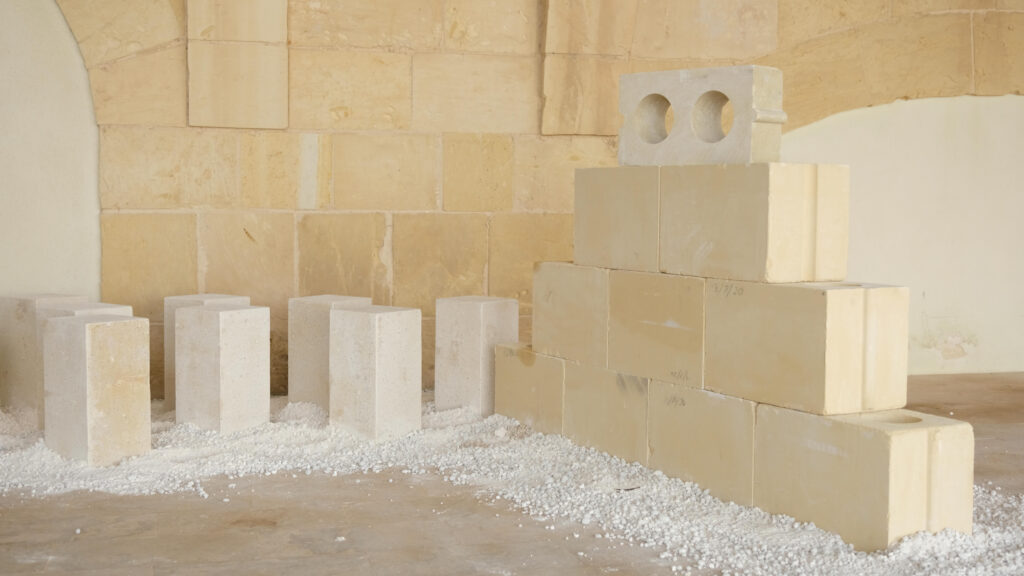
While Malta continues to modernise, limestone remains a central element in construction and design. Contemporary buildings often incorporate limestone to maintain visual harmony with older structures, ensuring that new developments respect the island’s architectural identity.
Beyond construction, limestone is also used in landscaping, restoration projects, and artistic creations, proving its versatility across different fields.
By blending old and new, Malta continues to honour its heritage while adapting to the future.
A Symbol of Maltese Identity
More than just a building material, limestone is a symbol of Malta itself. It reflects the island’s resilience, history, and deep connection to the land.
Every carved detail, weathered facade, and sunlit wall tells a story of generations who have lived, worked, and built using this remarkable stone. It is a constant presence—quiet yet powerful—shaping the atmosphere and identity of the islands.
Why Limestone Matters
Understanding Maltese limestone means understanding Malta. It connects the past with the present, nature with craftsmanship, and tradition with sustainability.
For visitors, it adds depth to every experience—transforming simple walks through towns and cities into journeys through history. For locals, it remains a source of pride and a reminder of the island’s enduring character.
A Living Heritage
As Malta continues to evolve, its limestone legacy remains strong. Preserving and appreciating this natural resource ensures that future generations can continue to enjoy its beauty and significance.
From ancient temples to modern homes, Maltese limestone stands as a living testament to the island’s story—timeless, enduring, and uniquely Maltese.