Table of Contents
ToggleFloriana Waterfront
A Historic Gem of Malta
Just outside Valletta’s imposing bastions, the Floriana Waterfront is one of Malta’s most picturesque and historically rich areas. Known for its stunning harbour views, elegant architecture, and cultural significance, this waterfront has evolved from a strategic military zone into a vibrant leisure destination. Its story is deeply intertwined with Malta’s maritime heritage and the island’s role as a fortress in the Mediterranean.
Origins and Strategic Importance
The Floriana Waterfront dates back to the early 18th century when the Knights of St John fortified the area to protect Valletta and the Grand Harbour. Floriana itself was designed by Italian military engineer Pietro Paolo Floriani, whose vision was to create an outer defence line for Valletta. The waterfront served as a crucial link between the city and the bustling harbour, enabling trade, naval operations, and the movement of goods.
The Grand Harbour Connection
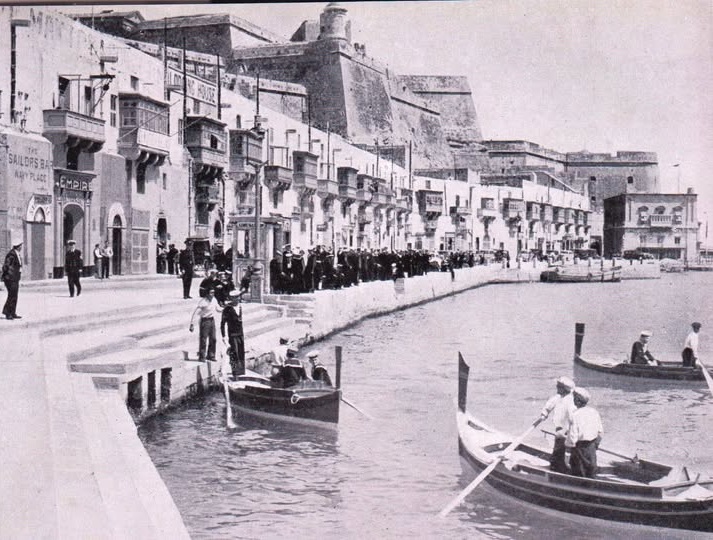
The Grand Harbour has always been Malta’s lifeline, and the Floriana Waterfront played a pivotal role in its operations. During the Knights’ era, warehouses and naval facilities lined the waterfront, storing essential supplies for ships and the city. Its proximity to the harbour made it a hub for merchants and sailors, contributing to Malta’s prosperity as a maritime stronghold.
Transformation Under British Rule
With the arrival of the British in 1800, Floriana’s waterfront underwent significant changes. The British expanded the harbour facilities, introducing modern docks and infrastructure to support their naval fleet. The area became a hive of activity during the 19th and early 20th centuries, with shipbuilding, repairs, and cargo handling dominating the scene. This period cemented Floriana’s reputation as an industrial and logistical powerhouse.
World War II and Its Aftermath
The strategic importance of the Floriana Waterfront was highlighted during World War II. Malta, often referred to as the “unsinkable aircraft carrier,” endured relentless bombing raids, and the waterfront bore the brunt of these attacks. Despite the devastation, the resilience of the Maltese people ensured that the area was rebuilt and continued to serve as a vital maritime hub in the post-war years.
Modern Revival and Cultural Significance
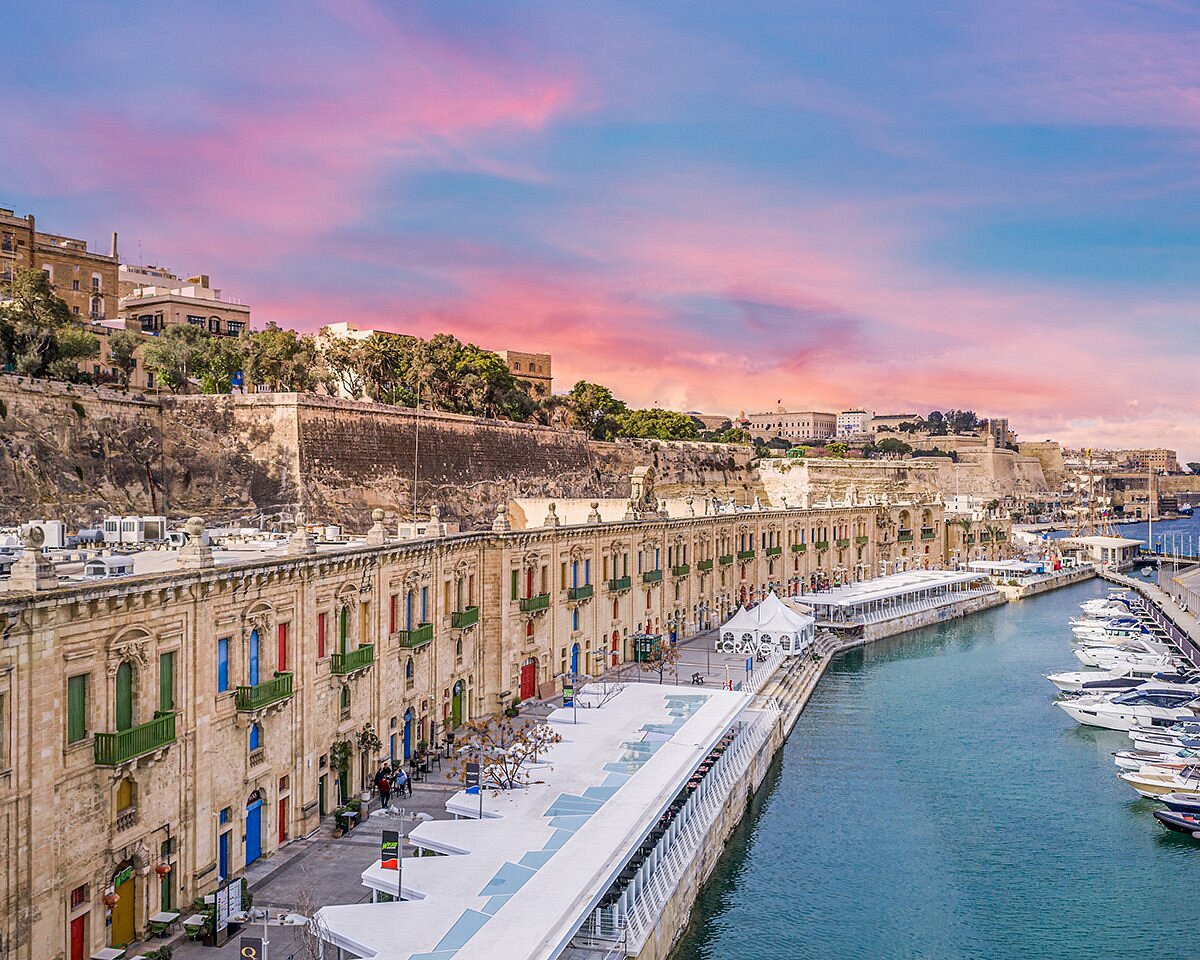
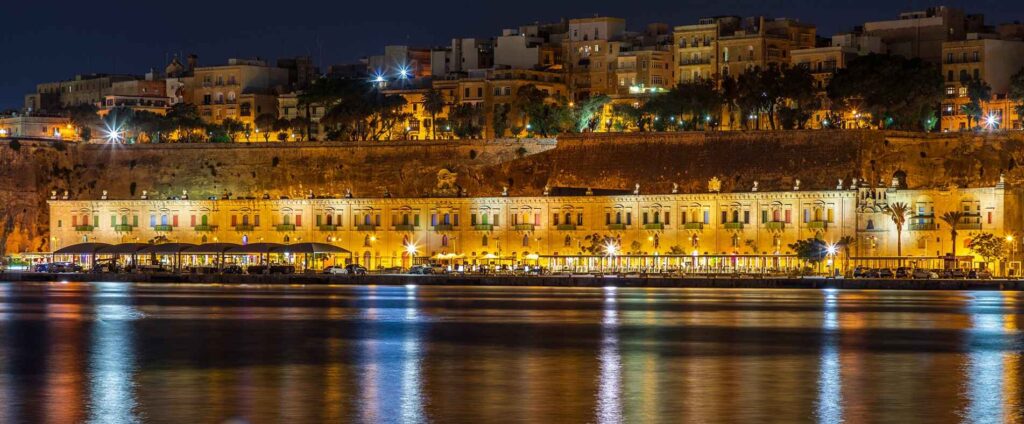
Today, the Floriana Waterfront has shed its industrial past and embraced a new identity as a cultural and leisure destination. Historic warehouses have been repurposed into restaurants, cafes, and event spaces, offering visitors a unique blend of heritage and modernity. The waterfront hosts festivals, concerts, and community events, making it a lively spot for locals and tourists alike.
Architectural Highlights
The waterfront is adorned with elegant limestone structures that reflect Malta’s architectural heritage. From the imposing bastions to the restored warehouses, every corner tells a story of resilience and adaptation. The area also offers stunning views of the Grand Harbour, making it a favourite for photographers and history enthusiasts.
Floriana Waterfront Today
Whether you’re strolling along the promenade, enjoying a meal with a view, or exploring its historic landmarks, the Floriana Waterfront offers an unforgettable experience. It stands as a testament to Malta’s ability to preserve its past while embracing the future—a perfect blend of history, culture, and charm.