
Table of Contents
ToggleLionfish Spotted in Malta: What It Means for Our Seas
The recent appearance of lionfish in Maltese waters marks an important moment for the local marine environment. Known for their striking appearance and venomous spines, lionfish are considered one of the world’s most successful invasive marine species. Their arrival in Malta has raised concerns among marine scientists, snorkelers, fishermen, divers, and environmentalists who fear the impact these predators may have on native Mediterranean ecosystems.
While lionfish are fascinating creatures to observe, their rapid spread across the Mediterranean could significantly alter the balance of marine life around the Maltese Islands. Understanding what lionfish are, where they come from, and how they affect local species is essential in addressing this growing environmental challenge.
What Is a Lionfish?
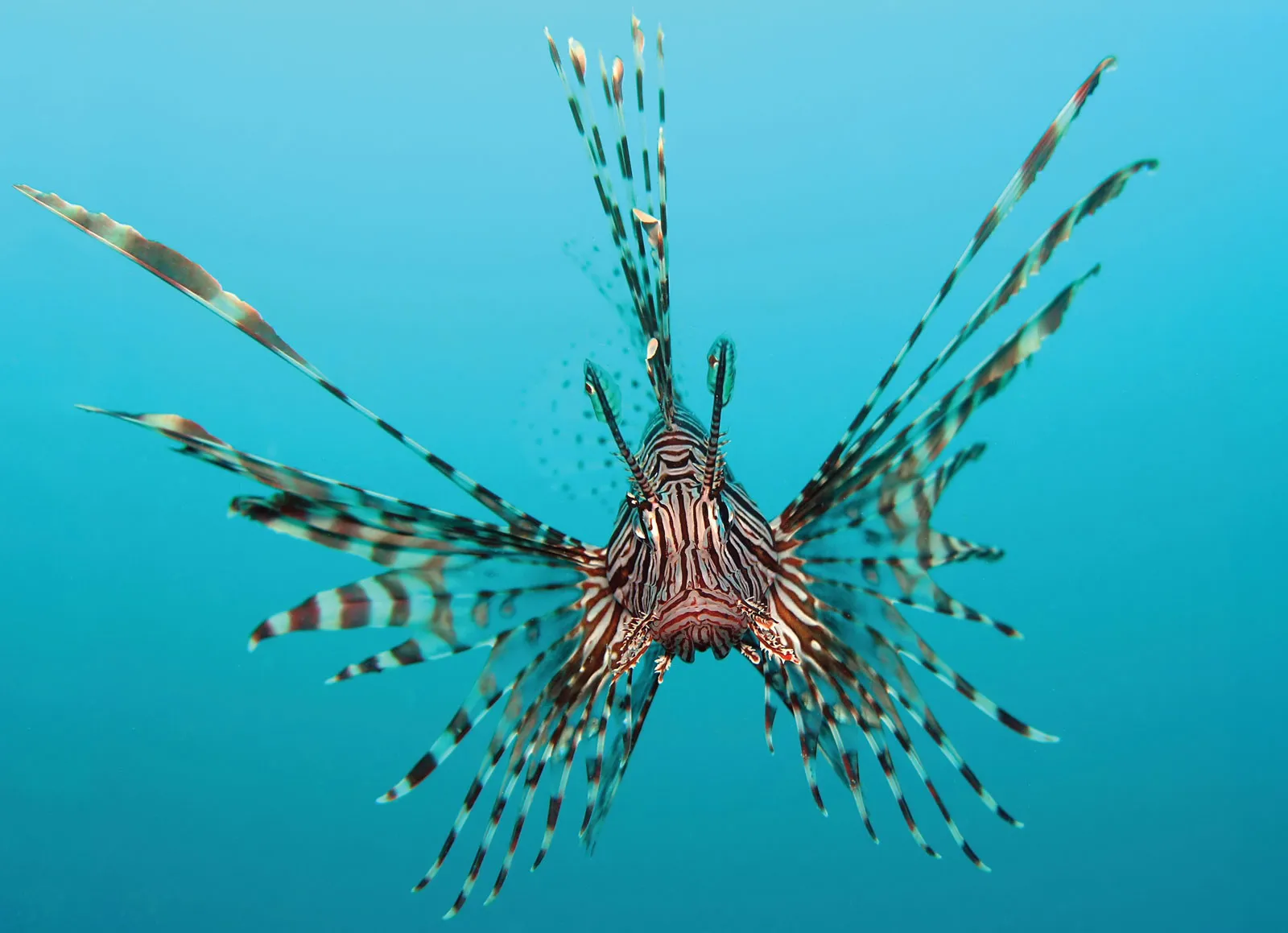
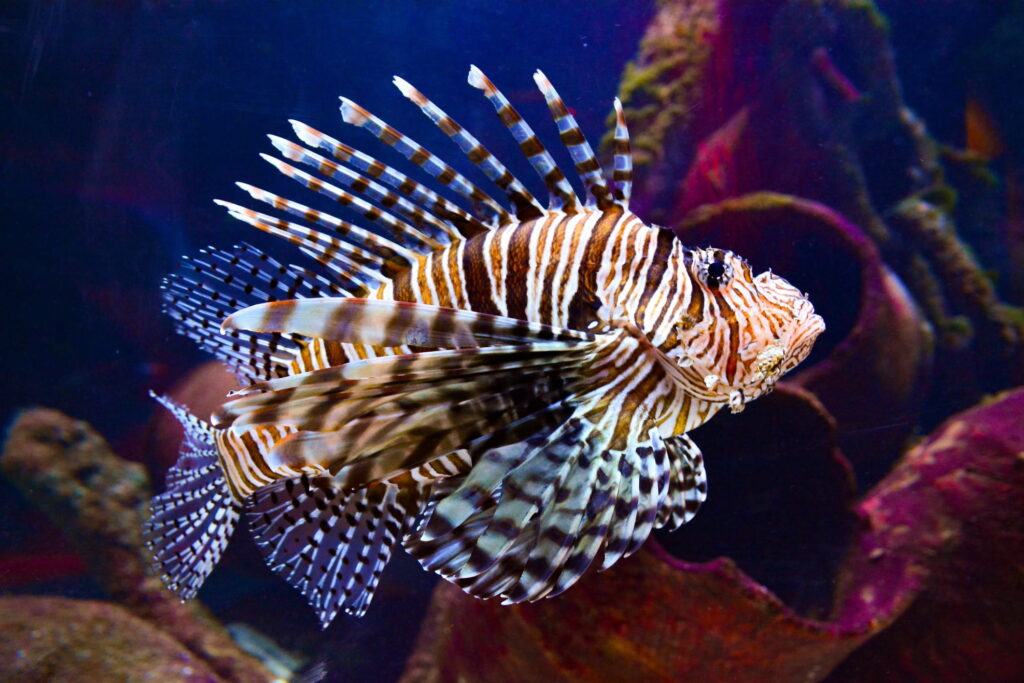
Lionfish belong to the genus Pterois and are native to the Indo-Pacific region, including the Red Sea, Indian Ocean, and Pacific Ocean. They are easily recognized by their distinctive zebra-like stripes, fan-shaped pectoral fins, and long, venomous spines.
Lionfish are highly effective predators. They can grow up to 40 centimetres in length and feed on a wide variety of smaller fish, crustaceans, and juvenile marine species. Their hunting technique involves slowly approaching prey before rapidly swallowing it whole.
One of the reasons lionfish are so successful is their ability to reproduce quickly. A single female can release thousands of eggs every few days, resulting in large populations developing within a short period. Combined with a lack of natural predators in newly invaded regions, this allows lionfish numbers to grow rapidly.
How Did Lionfish Reach Malta?
Lionfish entered the Mediterranean through the Suez Canal, a process known as Lessepsian migration. As water temperatures in the Mediterranean continue to increase, conditions have become more suitable for tropical species that previously could not survive in the region.
After first becoming established in the eastern Mediterranean, particularly around Cyprus, Greece, Turkey, and Lebanon, lionfish gradually expanded westward. Their recent presence in Maltese waters reflects this ongoing migration and highlights how climate change and global environmental shifts are influencing marine ecosystems.
The warm waters surrounding Malta provide favourable conditions for lionfish survival and reproduction, making further sightings increasingly likely.
Impact on Native Fish Species
The greatest concern surrounding lionfish is their effect on native fish populations. Lionfish are opportunistic predators that consume a wide variety of species, many of which play important roles in maintaining healthy marine ecosystems.
Young fish are particularly vulnerable. Lionfish often target juvenile fish before they have an opportunity to mature and reproduce. This can reduce local fish populations over time and disrupt natural food chains.
In areas where lionfish became established, researchers have observed significant declines in native reef fish populations. Similar impacts could occur in Malta if lionfish numbers continue to expand unchecked.
Local species that already face pressures from overfishing, habitat loss, and changing sea temperatures may struggle even further against an additional predator that has no natural controls.
Effects on the Marine Ecosystem
The influence of lionfish extends beyond individual fish species. Marine ecosystems depend on a complex balance between predators, prey, and habitat-forming organisms.
Many small fish consumed by lionfish help control populations of algae and other marine organisms. If these small fish decline, algae may grow more aggressively, potentially affecting seagrass meadows and rocky reef habitats.
Posidonia oceanica, one of the Mediterranean’s most important seagrass species, supports biodiversity, protects coastlines, and stores significant amounts of carbon. Any disruption to food chains that ultimately affects these habitats could have wider environmental consequences.
As lionfish become more numerous, they may alter entire ecosystems, creating cascading effects that extend throughout the marine environment.
What Does This Mean for Fishermen and Divers?
For fishermen, the arrival of lionfish presents both challenges and opportunities. Reduced populations of commercially valuable native fish could affect catches and local fisheries. However, in some regions, encouraging the capture and consumption of lionfish has become part of management efforts to control their numbers.
Divers are often fascinated by lionfish because of their beautiful appearance and relatively calm behaviour. Nevertheless, caution is required. The spines of a lionfish contain venom that can cause intense pain, swelling, nausea, and other symptoms if a person is stung.
Although stings are rarely life-threatening, divers and swimmers should avoid touching lionfish and maintain a safe distance when observing them underwater.
Can Lionfish Be Controlled?
Completely eliminating lionfish from the Mediterranean is unlikely. However, management strategies can help reduce their impact.
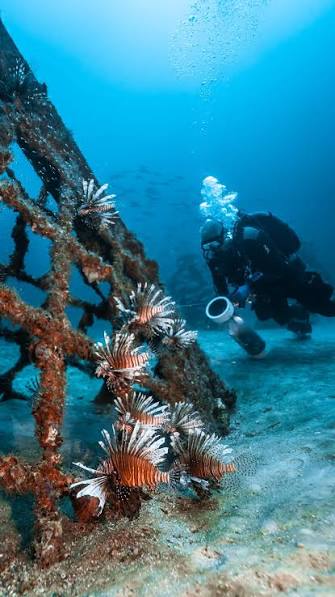
Regular monitoring programs allow scientists to track their spread and identify areas where populations are increasing. Citizen science initiatives, involving divers and fishermen reporting sightings, have already proven valuable throughout the Mediterranean.
Targeted removal efforts can help protect sensitive habitats, while public awareness campaigns encourage safe reporting and responsible handling of captured specimens.
In some countries, promoting lionfish as a food source has helped create incentives for removal while providing a sustainable seafood option.
The arrival of lionfish in Malta is both a fascinating biological development and a serious environmental concern. Their beauty and unique characteristics make them one of the most recognizable fish species in the world, yet their ability to reproduce rapidly and consume large numbers of native fish poses a significant threat to Mediterranean ecosystems.
As Maltese waters continue to warm and change, the presence of lionfish serves as a reminder of how interconnected our marine environments have become. Through scientific monitoring, public awareness, and responsible management, Malta can work to reduce the impact of this invasive species and help protect the rich biodiversity of its surrounding seas for future generations.