Table of Contents
ToggleTraditional Maltese Rubble Walls: The Stone Heritage of the Islands
A Unique Feature of the Maltese Landscape
As you explore the Maltese countryside, one of the most distinctive sights you will encounter is the traditional rubble wall. Built from locally sourced limestone, these dry-stone structures crisscross fields, valleys, and rural roads, forming an essential part of Malta’s landscape and identity.
Known for their simplicity and durability, rubble walls have shaped the islands for centuries. They are more than just field boundaries. They represent the skill, resourcefulness, and agricultural traditions of generations of Maltese farmers who transformed a rocky landscape into productive farmland.
Built Without Cement
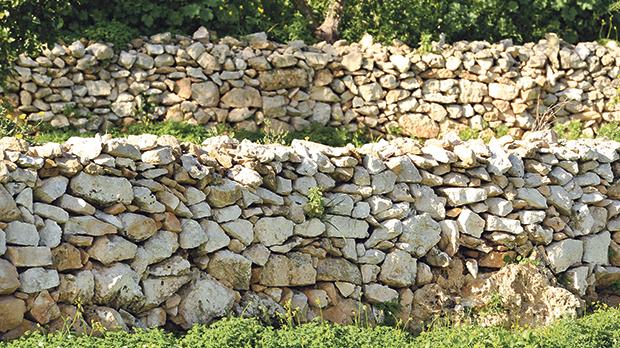
One of the most fascinating aspects of traditional Maltese rubble walls is that they are constructed entirely without mortar or cement. Skilled craftsmen carefully select and place stones so that each piece supports the others, creating a stable and long-lasting structure.
This traditional dry-stone building technique allows the walls to withstand strong winds and seasonal weather. The small gaps between stones also enable rainwater to pass through naturally, helping to prevent soil erosion and water buildup.
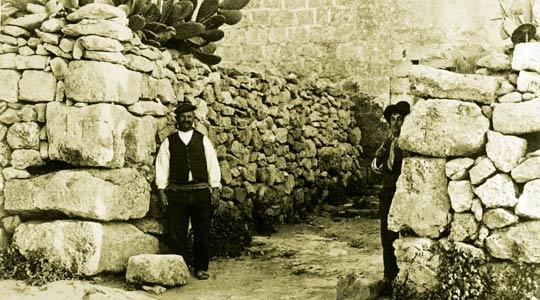
Many of these walls have survived for decades, while some are believed to date back hundreds of years.
Supporting Agriculture and Nature
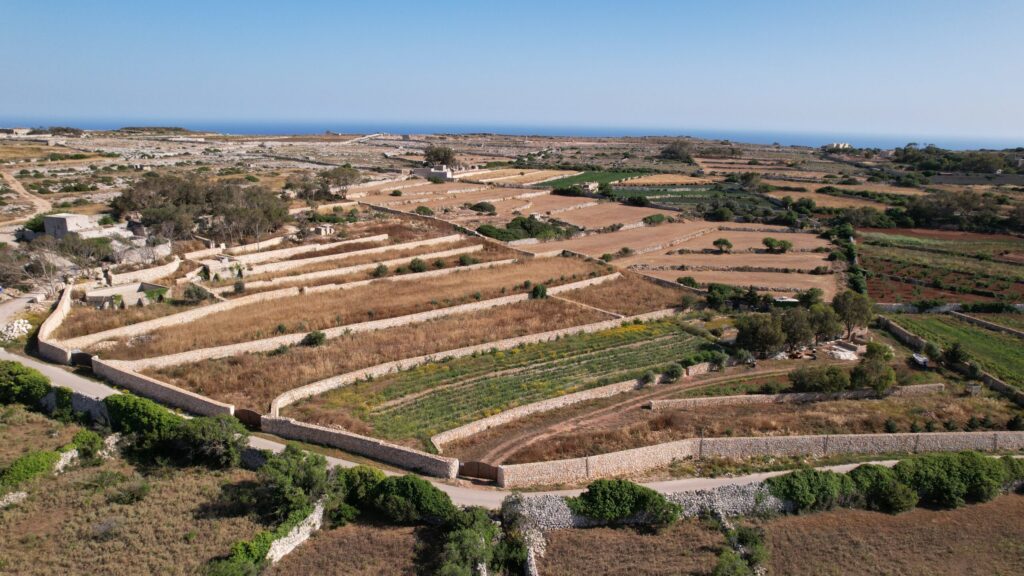
Historically, rubble walls played a vital role in Maltese farming. They were used to mark property boundaries, protect crops from strong coastal winds, and create terraces on sloping land. By retaining soil and reducing erosion, they helped farmers make the most of limited agricultural space.
Beyond agriculture, rubble walls provide important habitats for wildlife. Lizards, insects, spiders, and small birds often use the crevices between stones for shelter and nesting. Native plants can also establish themselves within the walls, contributing to local biodiversity.
As a result, these structures support a small but important ecosystem throughout the countryside.
A Protected National Heritage
Recognising their cultural and environmental importance, traditional rubble walls are protected as part of Malta’s national heritage. Conservation projects across the islands continue to restore damaged walls using traditional building methods to preserve their authenticity.
Recent restoration initiatives in rural valleys, historic sites, and protected landscapes have highlighted the value of these structures, ensuring that future generations can continue to appreciate this important aspect of Maltese heritage.
Maintaining rubble walls is not only about preserving history. It is also about safeguarding traditional craftsmanship and protecting the natural environment.
A Lasting Symbol of Malta
While Malta is famous for its temples, fortifications, and picturesque villages, rubble walls are equally representative of the islands’ character. They tell the story of hardworking communities that adapted to a challenging landscape using local materials and traditional knowledge.
For visitors exploring Malta’s countryside, these stone walls offer more than a scenic backdrop. They are living reminders of the islands’ agricultural roots, cultural heritage, and enduring connection between people and the land.
Whether seen winding through rural fields or bordering historic pathways, traditional Maltese rubble walls remain one of the most iconic and cherished features of the Maltese landscape.