
Maltese bread is a rustic golden loaf with a crisp crust and soft interior, cherished for its rich tradition and beloved flavor.
Discover Our Exciting Blogs on Water Adventures and More

Maltese Gbejna
Traditional Maltese gbejna is a small artisanal cheese made from sheep’s milk, fresh, dried or peppered and celebrated for its rich cultural heritage.

Historic aqueduct in Malta
Malta’s historic aquadotts are early aqueducts that carried fresh water to Valletta, showcasing remarkable engineering and cultural heritage.

How invasive fish arrive in Malta
Malta’s seas face rising threats from invasive fish. Learn how these species arrive, which pose the greatest risks, and what Malta is doing to protect its waters.
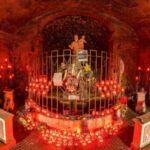
Our Lady of the Grotto – Mellieha
A sacred Mellieha cave shrine where history, faith and legend unite, offering pilgrims peace, devotion and timeless Maltese heritage.

Marsaxlokk Fishing Village
Marsaxlokk is a vibrant Maltese fishing village known for its colorful boats, fresh seafood, lively markets, and authentic seaside charm.
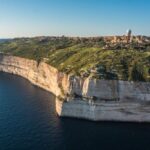
Dingli Cliffs in Malta
Dingli Cliffs offer sea views, serene landscapes, rural charm, and unforgettable sunsets, showcasing one of Malta’s most iconic natural settings.
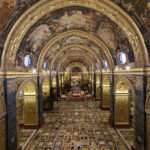
St John’s Co-Cathedral
St John’s Co Cathedral A Masterpiece of Maltese Heritage St John’s Co Cathedral in Valletta stands as one of Malta’s greatest cultural treasures, a monument that reflects the island’s layered history, artistic ambition, and spiritual legacy. Although modest in its external appearance, the cathedral’s interior reveals a breathtaking display of craftsmanship and devotion. It is recognized not only as a religious institution but also as a symbol of the Knights of St John and their enduring influence on Maltese identity. Visitors from around the world come to experience the grandeur of its art, architecture, and historical narrative, each of which contributes to its unmistakable character. Origins and Historical Significance The cathedral was commissioned shortly after the establishment of Valletta by the Knights of St John in the sixteenth century. At the time, the order sought a new conventual church that would reflect both their authority and their mission. Designed by the architect Girolamo Cassar, the structure was completed in an impressively short period. Its original form was austere, influenced by the sober military and religious principles of the knights. Despite this restraint, the cathedral quickly became a central institution within the fortified city. It served not only as a place of worship but also as a venue for ceremonial functions, gatherings of the order, and expressions of collective identity. Over the years, numerous grand masters contributed to its embellishment, each adding elements that enhanced its visual and spiritual impact. This ongoing investment ensured that the cathedral evolved into a powerful statement of the order’s prestige. A Dazzling Interior The interior of St John’s Co Cathedral is one of the most remarkable artistic achievements in Europe. In contrast to its plain exterior, the inside space is defined by elaborate ornamentation and dramatic Baroque design. Vaulted ceilings are covered in detailed frescoes that depict episodes from the life of St John the Baptist. These works, painted by the artist Mattia Preti, are central to the cathedral’s identity and are recognized for their expressive composition and masterful execution. The cathedral’s floors are another striking feature. Made of inlaid marble, the floor consists of hundreds of tombstones that commemorate members of the order. Each piece is a unique combination of heraldic symbols, inscriptions, and artistic elements. Together they form a vast mosaic that reflects both personal and collective stories, transforming the floor into a monumental historical document. Gilded stone walls, sculpted altars, and intricate side chapels contribute to a sense of layered richness. Each chapel is dedicated to a different langue or regional group of the Knights of St John, and each represents its own artistic program. These spaces demonstrate the competitive spirit of the order, as each langue sought to express its identity and devotion through elaborate adornment. The Caravaggio Masterpieces Among the cathedral’s most celebrated assets are two paintings by Michelangelo Merisi da Caravaggio. The most famous is The Beheading of Saint John the Baptist, located in the Oratory. This work is widely regarded as one of Caravaggio’s greatest masterpieces and holds CONTINUE READING
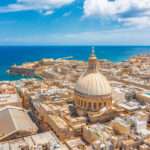
November in Malta
Malta in November with mild weather, quiet cultural sites, coastal hikes, and relaxed experiences across the islands throughout the season. .

Halloween in Malta
Experience Halloween in Malta — a vibrant mix of spooky legends, creative costumes, local traditions, and Mediterranean celebration.