Table of Contents
ToggleIntroduction
The story of fishermen in Malta is closely tied to the sea that surrounds the islands. For centuries, fishing has shaped coastal villages, family traditions, and the daily rhythm of life. From colorful boats resting in quiet harbors to early mornings spent casting nets, Maltese fishermen represent a way of life that has survived time, hardship, and change. Yet today, this ancient profession faces growing struggles that threaten its future.
Early Roots of Fishing in Malta
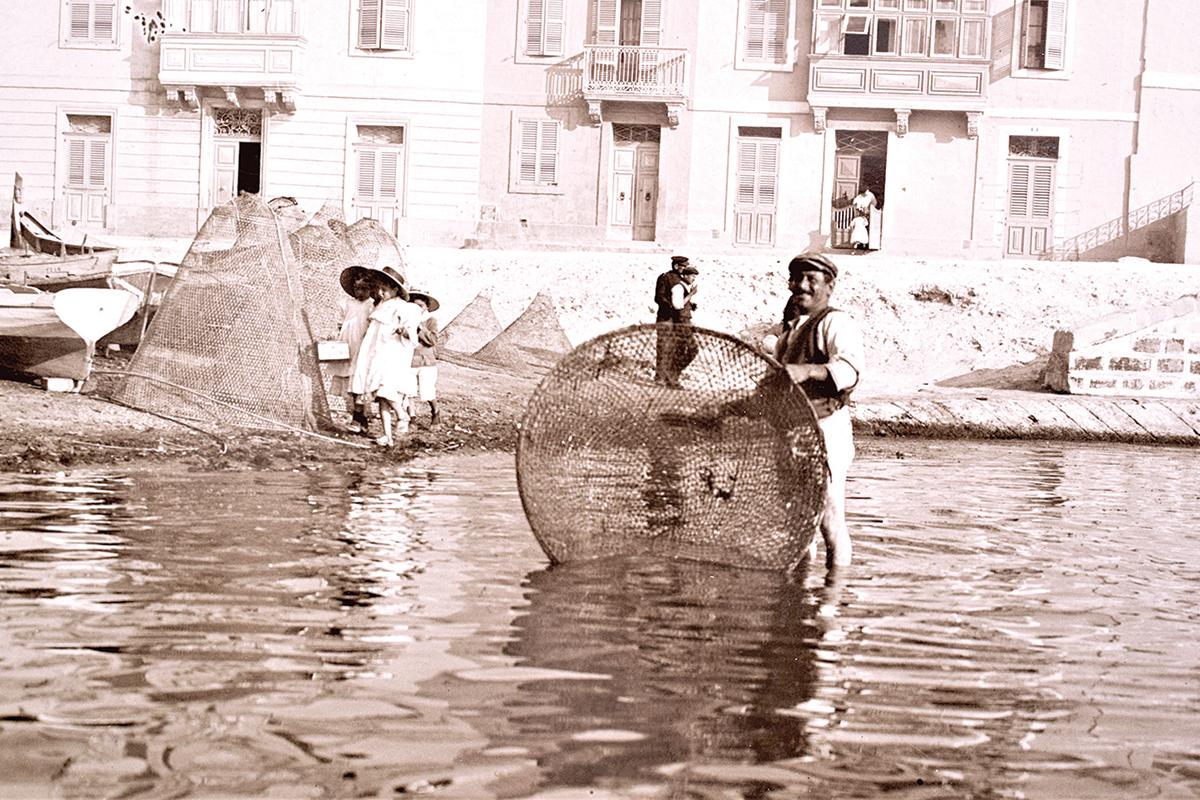
Fishing in Malta dates back thousands of years. Archaeological evidence suggests that early settlers relied heavily on the sea for food and trade. Phoenicians, Romans, and later Arab rulers all contributed knowledge and tools that influenced local fishing practices. Techniques such as net fishing and the use of small wooden boats were refined over generations and passed down through families.
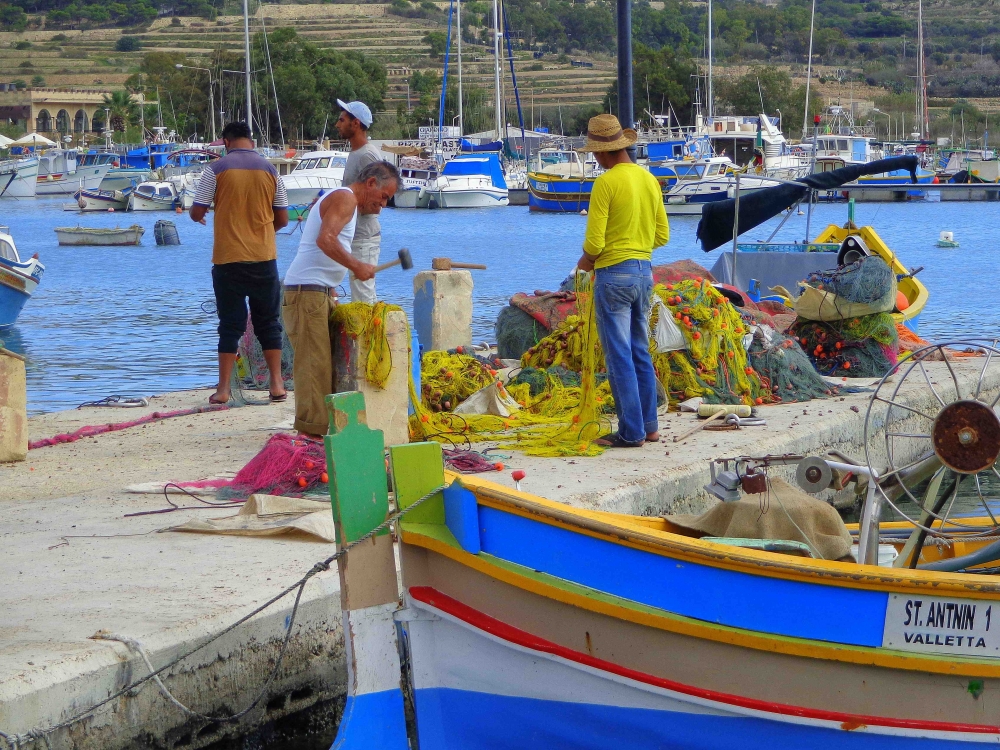
Fishing was never just a job. It was a social structure that defined coastal communities like Marsaxlokk and Mgarr. These villages grew around natural harbors where fishermen lived, repaired boats, and traded their catch. Over time, fishing became deeply connected to Maltese identity and survival.
The Luzzu and Traditional Practices
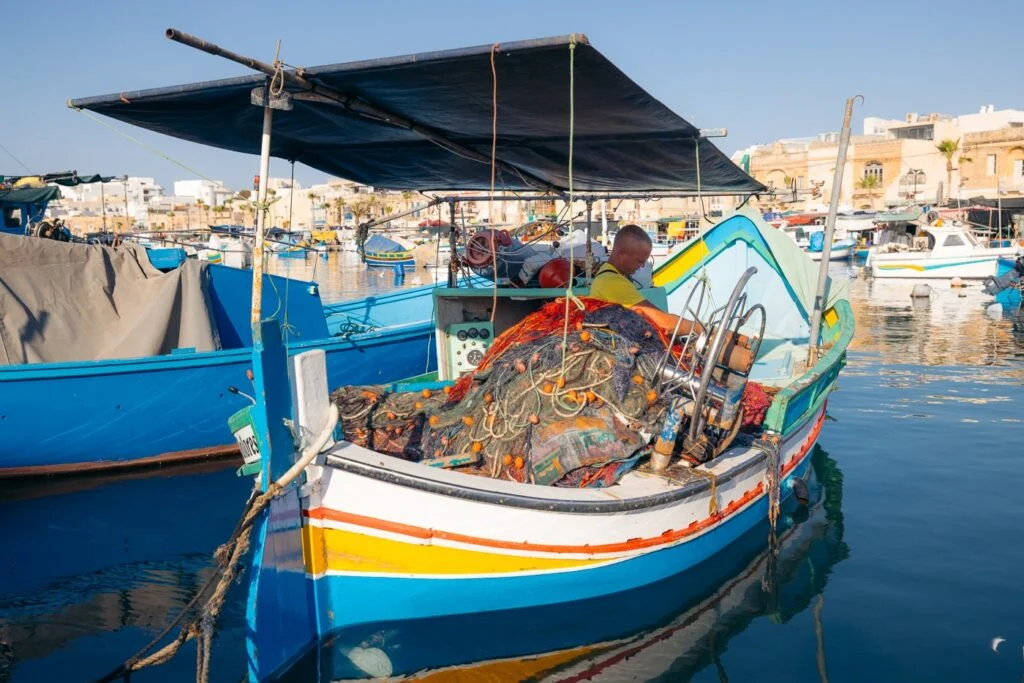
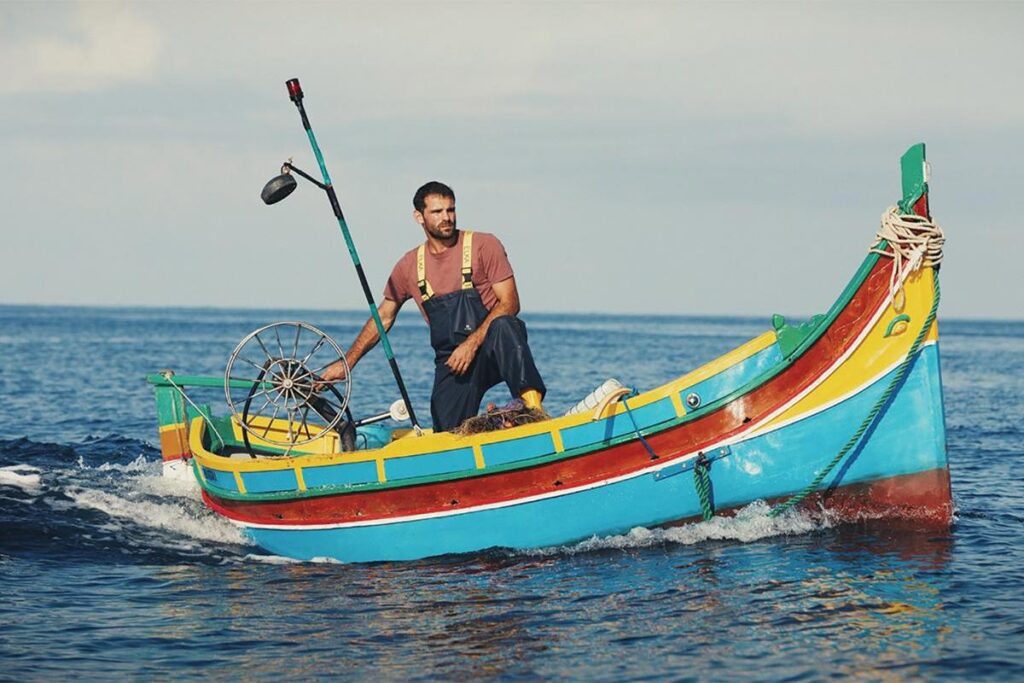
One of the strongest symbols of Maltese fishing culture is the luzzu. This brightly painted wooden boat has been used for centuries and is easily recognized by the painted eyes on its bow, believed to protect fishermen at sea. The luzzu was designed for the Mediterranean, stable enough for long hours and small enough to maneuver close to shore.
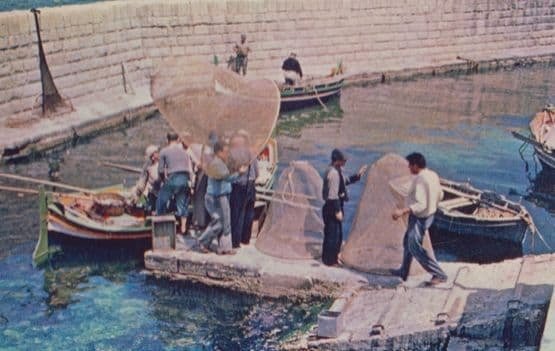
Traditional fishing methods included long lines, traps, and seasonal net fishing. Tuna, lampuki, octopus, and swordfish were caught following natural cycles and deep local knowledge. Fishermen learned to read the sea, weather patterns, and moon phases, skills that could not be taught in books.
Fishing and Community Life
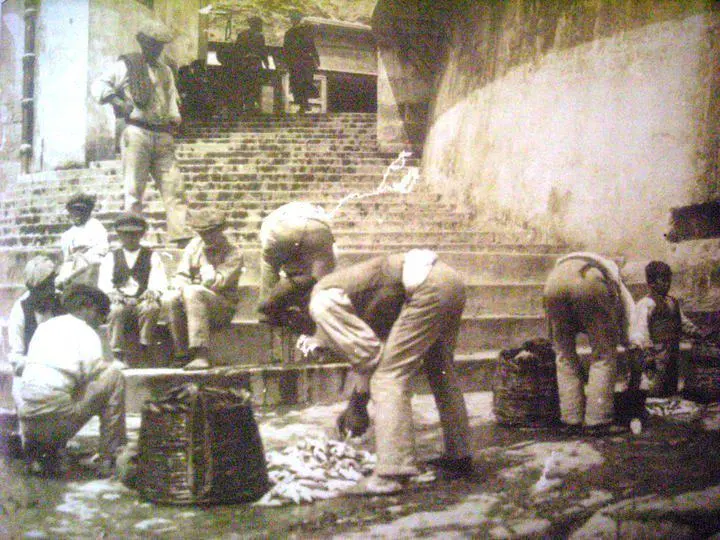
Fishing shaped daily life in Malta. Markets revolved around the arrival of boats, and families depended on the sea for income and food. Women often played key roles by selling fish, mending nets, and managing households while men were at sea.
Religious traditions were also linked to fishing. Many fishermen prayed to patron saints for protection, and village feasts often included blessings of boats. These customs reinforced the bond between faith, danger, and livelihood that defined the profession.
Changes in the Modern Era
The twentieth century brought major changes to fishing in Malta. Advances in technology introduced engines, sonar equipment, and modern nets. While these tools improved efficiency, they also increased costs and competition.
At the same time, Malta began shifting toward tourism and services as primary economic drivers. Fishing lost its central role, and younger generations were increasingly drawn to more stable careers. As a result, the number of full time fishermen declined steadily.
Economic and Environmental Struggles
Today, Maltese fishermen face serious challenges. Rising fuel prices make daily trips expensive, while small catches often bring limited profit. Imported fish sold at lower prices places additional pressure on local markets.
Environmental issues also threaten fishing stocks. Overfishing, pollution, and climate change have altered fish populations and migration patterns. Species that were once common are now less predictable, making traditional knowledge harder to rely on.
Regulations introduced to protect the marine environment, though necessary, can be difficult for small scale fishermen to absorb. Licensing limits, seasonal restrictions, and protected zones sometimes feel like burdens placed on those least able to carry them.
The Emotional Weight of Decline
Beyond economics, fishermen in Malta face emotional struggles. Many speak of a loss of respect for the profession and fear that centuries of tradition may disappear. Boats that once carried generations of stories now sit unused, and skills learned from fathers and grandfathers risk being forgotten.
For those who remain, fishing is still more than income. It is identity, freedom, and connection to nature. The uncertainty of the future weighs heavily on fishing families who want to preserve their heritage.
Hope and Preservation
Despite these struggles, there are efforts to protect Maltese fishing culture. Some fishermen are turning toward sustainable practices and direct sales to consumers. Cultural tourism has helped raise awareness, with visitors seeking authentic experiences and local seafood.
Organizations and heritage projects aim to document traditional knowledge and support small scale fishermen. While challenges remain, there is hope that fishing in Malta can adapt without losing its soul.
Fishermen in Malta carry the memory of the islands in their hands and boats. Their history reflects resilience, community, and respect for the sea. Preserving this way of life means recognizing its cultural value and supporting those who continue to face the waves each day.